/
/
Study in Germany for Indian Students 2027: Complete Guide
World-Class Education with FREE/Low Tuition at Public Universities
Globally recognized degrees with affordable education at leading German public universities.

Planning to study in Germany in 2027? Germany is a popular destination for Indian students because of its internationally recognised universities, strong research ecosystem, career opportunities and comparatively affordable education options. Many public universities offer programmes with no tuition fees, although students may still need to pay semester contributions and certain universities or states may charge tuition fees for non-EU students. For Indian students, studying in Germany involves more than choosing a university. You need to understand course eligibility, university requirements, APS certification, intakes, application deadlines, tuition and living costs, scholarships, proof of funds and the German student visa process before applying. the good news is that with proper planning, you can build your Germany study journey step by step—from shortlisting the right university and course to securing admission, arranging your finances and preparing for your visa. In this complete 2027 guide, you'll learn everything you need to know about studying in Germany as an Indian student, including top universities, popular courses, eligibility requirements, APS, tuition fees, cost of living, scholarships, intakes, application process, blocked account requirements, student visa and post-study work opportunities.
| Particulars | Details |
|---|---|
| Country | Germany |
| Capital | Berlin |
| Types of Universities | Public and Private Universities |
| Top Universities | Technical University of Munich, LMU Munich, Heidelberg University, and Humboldt University of Berlin |
| Popular Courses | Automotive Engineering, Computer Science, Business Management, Data Science, Artificial Intelligence, and Medicine |
| Language of Instruction | German and English |
| Tuition Fees at Public Universities | Zero tuition fee |
| Scholarships available | Yes |
| Post-Study Work Visa | Yes (up to 18 months) |
| Part-Time Work Opportunities | Available |

QS World
#28
THE
#27
National
#2


QS World
#59
THE
#38
National
#1


QS World
#86
National
#3
THE
#47
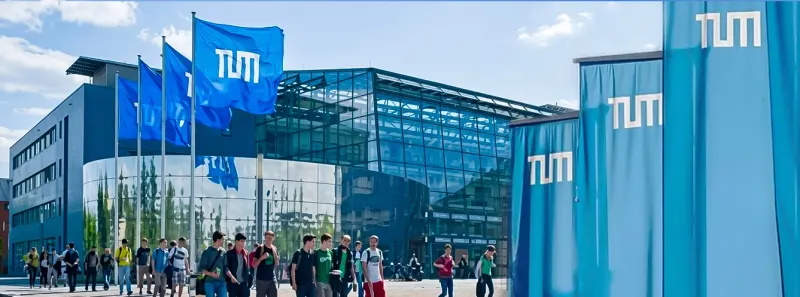
Germany is home to some of the most prestigious universities in the world. Universities like the Technical University of Munich, LMU Munich, Heidelberg University, and Humboldt University of Berlin consistently rank on QS rankings.
Students choose Germany for one reason - affordability. At public universities, the tuition fee is almost zero (students are only required to pay a semester contribution), because the public universities are highly subsidized by the German government.
At German universities, a wide range of courses across different disciplines are taught completely in English.
Germany is a hub of research and innovation. Students can access advanced laboratories, research institutes, and industry partnerships that encourage practical learning and technological development.
Once students graduate from German universities, they can apply for a post-study work visa of up to 18 months. .
Germany is one of Europe’s biggest economies, and offers excellent career opportunities in fields such as engineering, IT, healthcare, finance, and manufacturing.
Students choose to study in Germany because they can access quality courses. Here are some of the popular courses that students can study in Germany for international students

Computer Science and IT
A popular choice due to Germany’s growing tech sector, with excellent job prospects in software development, cybersecurity, and digital innovation.

Data Science and Artificial Intelligence
This field focuses on data analysis and smart technologies, offering high-paying careers in industries like finance, healthcare, and tech.

Business Administration and Management
Ideal for students aiming for leadership roles, with career opportunities in multinational companies, startups, and global markets.

Engineering and Technology
Germany is home to top car brands like BMW and Volkswagen, making it one of the best places to study and build a career in the automobile industry.

Renewable Energy and Environmental Science
A future-focused course with growing demand, as Germany leads in sustainability and green energy solutions worldwide.

Biotechnology and Life Sciences
This field combines biology and technology, offering careers in healthcare, pharmaceuticals, and research sectors.

Architecture and Design
Perfect for creative students, focusing on modern design, urban planning, and sustainable architecture with global career opportunities.
Studying in Germany is very affordable for Indian students. Here is the breakdown of tuition fees at both public and private universities in Germany.
| Type of University | Tuition Fee (Approx.) |
|---|---|
| Public Universities | €150 to €350 per semester (Semester contribution) |
| Private Universities | €10,000 to €20,000 per year |
Along with the tuition fee, the cost of living in Germany is also very affordable for students. Here are some of the expenses that students have to bear once they reach Germany for their higher education.
| Expense Category | Average Monthly Cost |
|---|---|
| Rent | €450 - €650 |
| Food and Groceries | €200 - €250 |
| Health Insurance | €120 - €130 |
| Transportation | Included in Semester Fee (or €30) |
| Internet and Mobile | €15 - €20 |
| Personal Expenses | €100 - €150 |
Here is the list of documents that students require to apply for a student visa for Germany
University admission letter
Completed visa application form
Proof of financial resources (€11,904/year in a blocked account)
Blocked account confirmation
Health insurance coverage
Language proficiency certificates
An APS certificate
Valid passport
Recent biometric photographs
Academic certificates and transcripts
Statement of Purpose
Motivation letters
Proof of English or German language proficiency (if applicable)
Accommodation proof
Visa fee payment proof
If you are planning to study in Germany, here are the steps that you must follow to secure a seat at a German university:
The process of studying in Germany is very straightforward. Here are the eligibility criterias that Indian students must follow to secure a seat at your dream university in Germany.
Germany offers a wide range of Scholarships in Germany that help international students reduce the Cost of Studying in Germany. Here are some of the popular scholarships that students can apply for.
Monthly stipend, travel allowance, health insurance, study and research support
Deutschlandstipendium
€300 per month
Erasmus+ Scholarship
Tuition support, travel grant, monthly living allowance
Heinrich Böll Foundation Scholarship
Monthly stipend, research support, additional allowances
Konrad-Adenauer-Stiftung (KAS) Scholarship
Monthly financial support, networking opportunities
Friedrich Ebert Foundation Scholarship
Monthly stipend, health insurance support, academic mentoring
Rosa Luxemburg Foundation Scholarship
Monthly living allowance and research funding
Bayer Foundation Scholarships
Research grants and financial assistance
KAAD Scholarship
Tuition support, monthly stipend, language courses
University-Specific Scholarships
Partial or full tuition support, living allowance, merit-based awards
Research Grants by Max Planck Society
Research funding, stipends, laboratory support
Helmut-Schmidt Programme
Full tuition support, monthly stipend, travel and insurance
Germany offers excellent career opportunities for international students, making it one of the most attractive destinations for higher education. Here are the popular work opportunities in Germany:
| Course | Career Opportunities | Career Opportunities |
|---|---|---|
| Engineering | Mechanical Engineer Electrical Engineer Civil Engineer |
Automotive Engineer Production Engineer |
| Information Technology (IT) | Software Developer Data Scientist Cybersecurity Analyst |
Cloud Engineer AI and Machine Learning Engineer |
| Business and Finance | Financial Analyst Business Consultant Marketing Manager |
Investment Analyst Human Resources Specialist |
| Healthcare and Life Sciences | Medical Researcher Pharmacist Biotechnologist |
Public Health Specialist Clinical Research Associate |
| Renewable Energy and Environmental Sciences | Renewable Energy Engineer Environmental Consultant |
Sustainability Analyst Energy Systems Engineer |
| Research and Academia | Research Associate Doctoral Researcher |
University Lecturer Laboratory Assistant |
Germany offers excellent post-study opportunities for international students. These include:
Applying to study in Germany for Indian students involves several important steps, which can make the overall process overwhelming. However, at Ooshas Global, one of the best study in Germany consultants, we provide a wide range of services that can help students make informed choices. Some of the popular services include:
Real Students. Real Visas. Real Success Stories.


France
France Study Visa


Germany
Germany Study Visa

Dubai
Dubai Study Visa

Ireland
Ireland Study Visa
Connect with our study abroad experts and receive personalized support for admissions, visas, scholarships, and university applications in Germany.



Content Writer & International Education Specialist
Sakshi Taneja has over 7 years of experience helping students secure admissions to leading universities across the UK, Germany, Australia, Italy, Ireland, Canada, and other top study destinations. Her guidance covers university selection, scholarships, visa applications, and career planning.
Yes, Indian students can work part-time while studying in Germany. They can work up to 140 full days or 280 half days per calendar year.
Yes, INR 20 lakh is generally sufficient to study in Germany, provided you choose to study at a public university, and maintain a decent lifestyle as a student
If you choose to study at public universities in Germany, you can expect zero tuition fees, with only a €100–€400 semester contribution..
No, IELTS is not mandatory for studying in Germany. The requirement depends on the university and the language of instruction for your chosen program. Many German universities accept alternative English language proficiency tests or may waive the requirement if you have previously studied in English. In this case, you have to submit Medium of Instruction (MOI) certificate.
Yes, Germany is one of the best study abroad destinations for Indian students. The country is known for globally recognized universities, quality education, affordability, and great career opportunities.
After graduation, students can choose to stay in Germany by applying for a post-study work visa. This visa gives you up to 18 months to look for a job in your chosen field.
Public universities in Germany are practically tuition-free for both domestic and international students. The cost of studying in these universities typically ranges between €100–€400, which has to be paid as a semester contribution. That said, private universities and some specialized or master’s programs can be expensive.